
Kichi
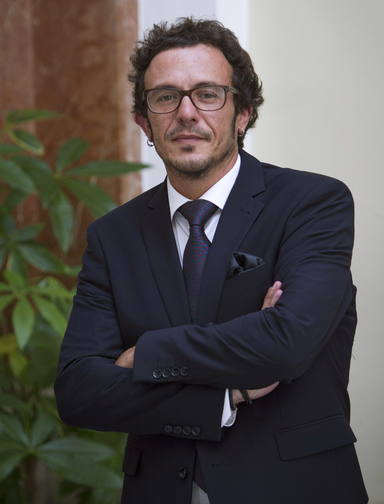
José María González Santos, alias Kichi (42 años), es el alcalde de la ciudad de Cádiz. Vive en un piso de alquiler al que él mismo cataloga de “piso de currante”. Vive en el barrio de La Viña junto a su pareja Teresa Rodríguez.
Bescansa

- Left6:No existe configuración de publicidad para el slot solicitado
Carolina Bescansa (47 años), cofundadora de Podemos y diputada por Madrid, vive junto a sus dos hijos en una casa de una urbanización de Galapagar. Por tanto, será vecina de Pablo Iglesias e Irene Montero. Fuentes cercanas al partido aseguran que la mujer que provocó gran polémica al llevar a su bebé al Congreso de los Diputados, vive en la localidad de la sierra madrileña, de alquiler y en una casa de menores dimensiones. Además, según su declaración de bienes, asegura ser la propietaria de un piso de 65 metros cuadrados adquirido en 2006, valorado en 92.000 euros y situado en el barrio madrileño de Lavapiés. Por esta propiedad paga una hipoteca de 180.000 euros concedida por la entidad Abanca.
Monedero

Juan Carlos Monedero (55 años) es uno de los miembros de la formación, que más patrimonio posee. El que fuera uno de los fundadores del partido, actualmente es exsecretario de Proceso Constituyente y Programa. Según podemos comprobar en su portal de Transparencia, Monedero es propietario de dos viviendas. Una en Segovia valorada en 3.586 € y otra en Madrid valorada en 152.659 €. En esta última es en la que vive.
Declaración de bienes de Monedero

Carmena

"Iglesias será recordado como un político brillante"
Juan Carlos Monedero, fundador de Podemos y profesor de Ciencias Políticas en la universidad Complutense de Madrid, ha comentado que le invade una sensación “amarga”: “Tengo la sensación de que hemos sacrificado muchas piezas institucionales en la campaña madrileña, en la que se han hecho muchas trampas y se han ocultado los programas”. “Pablo Iglesias no es víctima de nada, se ha ido porque es coherente con la formación, no veníamos para quedarnos en los cargos”, ha destacado y ha apuntado aspectos de la campaña que “no le han gustado”, por ejemplo, el “acoso” a Iglesias y el comportamiento de los medios de comunicación. “El PP ha ido a la campaña dopado con dinero público”, ha sostenido en 24 horas de RNE.
Monedero ha destacado el “realismo” de Pablo Iglesias: “Llevaba aguantando unos ataques brutales en lo simbólico y veía que hacían mella y su normalización cada vez era más preocupante”. También ha señalado que será recordado como uno de los políticos “más brillantes” de España. “Unidas Podemos ha hecho que una fuerza a la izquierda del PSOE entre en el Gobierno, estuvo a punto de hacerlo Anguita y lo masacraron”, ha indicado y ha explicado que el régimen del 78 “está tocado” y, por eso, ha habido un Gobierno con Unidas Podemos, “el poder se ha asustado y ha puesto en marcha sus mecanismos”.
“Yolanda Díaz es una excelente candidata a la presidencia del Gobierno porque es una ministra con una enorme credibilidad en el Ejecutivo y en España y ha activado el diálogo social. Es tan buena candidata que ya han empezado a disparar contra ella”, ha lamentado uno de los fundadores de Podemos, que ha considerado que la formación morada “debe solventar sus cuentas internas”: “Debemos tener más implantación territorial, que es esencial, y una ejecutiva más coral, horizontal e implicada en el día a día”.